
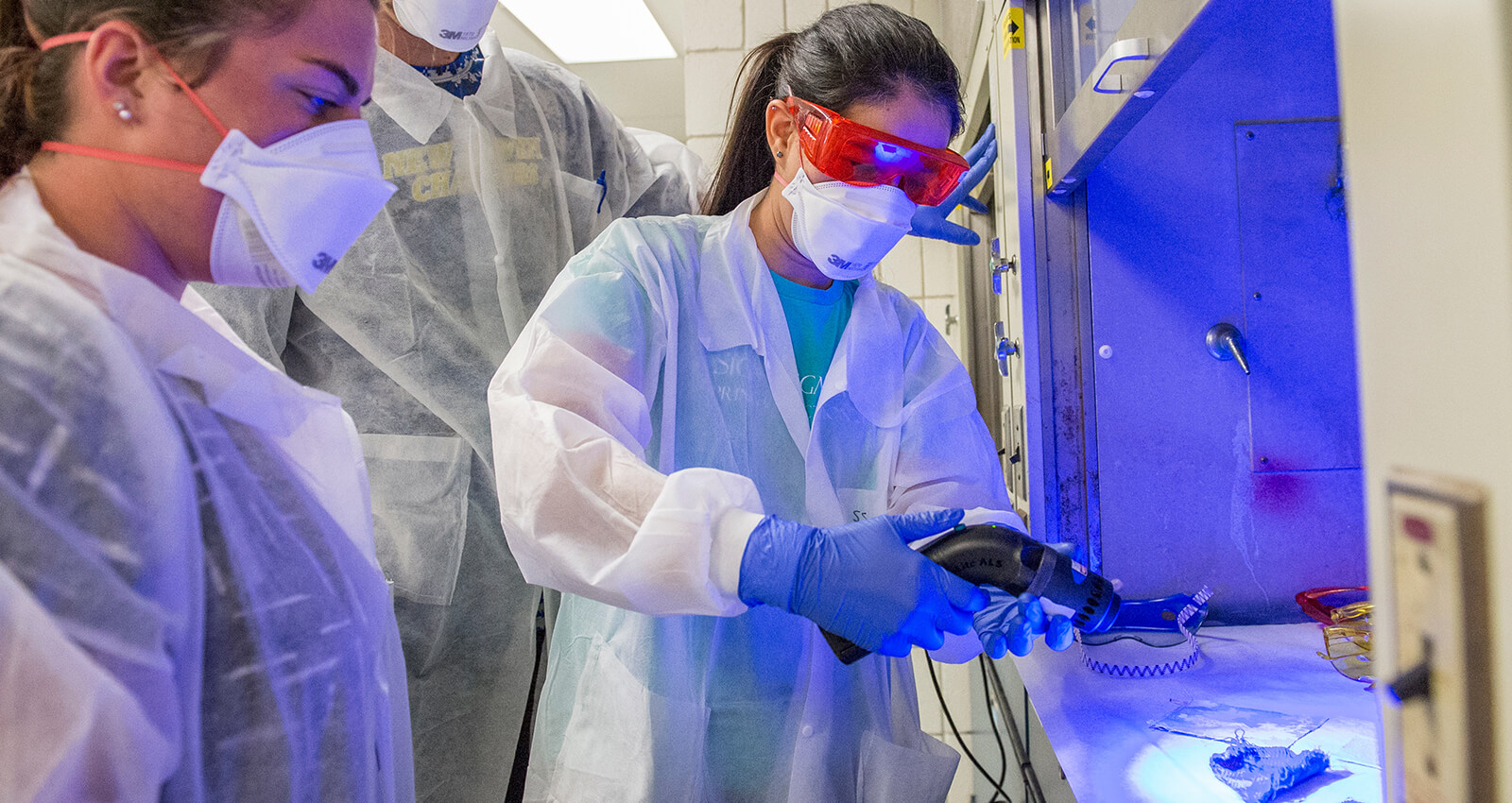
We have a reputation
The master’s program in forensic science at the University of New Haven has a worldwide reputation for preparing top-quality professional forensic scientists. One of the original forensic science programs in the country, our master’s program in forensic science will provide you with the theoretical and practical knowledge necessary to apply analytical and scientific methods to criminal investigation.
Through concentrated study in our laboratories, you will obtain unparalleled hands-on experience that you can apply immediately in your chosen career. In addition to a sequence of core coursework, you will complete a series of electives.
Program Mission
To thoroughly prepare forensic science majors for careers in forensic science, natural sciences, and criminal justice professions, as well as post-graduate educational or training opportunities.
Program Outcomes
- Students can demonstrate proficiency in the proper use of various instruments, equipment, or technical procedures.
- Students recognize and identify common forms of physical and pattern evidence, and can properly interpret related examinations of this evidence.
- Students can describe major ethical and professional guidelines and principles.
Important note for all interested applicants: "Those seeking careers in this field should be aware that background checks similar
to those required for law enforcement officers are likely to be a condition of employment."
- Education and Training in Forensic Science: A Guide for Forensic Science Laboratories,
Educational Institutions, and Students, page 7.
Read this document here.
In addition to the general University application requirements, prospective M.S. Forensic Science students are required to meet the following criteria:
- Possession of an undergraduate degree in a natural science or a recognized forensic science program, with a preference for completion from a FEPAC-accredited program. Candidates should have completed two semesters of lab-based general chemistry, two semesters of lab-based organic chemistry, and instrumental analysis. Additionally, completing at least one semester of biochemistry, physics, and an upper-level math course is highly recommended.
- A minimum GPA of 3.3 is expected, with occasional exceptions considered based on the student's degree program, undergraduate institution, and the quality of grades achieved in science and mathematics courses.
- Successful completion of the Graduate Record Examination (GRE) with scores at or above the 50th percentile and quantitative/analytical scores at or above the 70th percentile.
- Submission of at least two letters of recommendation is mandatory. These letters should preferably be from science professors who can speak to the student's academic and laboratory capabilities and assess the potential for success in a graduate program with a required thesis component.
Student Success and Outcomes
If you are a scholar or professional who is determined to excel, the University of New Haven is the place for you. Click here to see where those who earned a master’s degree in forensic science are employed.
QUICK FACTS
- Total Credits: 42
- Start Dates: Fall Only
- Application Deadline: March 1
- Public Safety Personnel 50% discount

Universities.com rated the University of New Haven #1 in its 2025 ranking of the top colleges in the United States to pursue a degree in forensic science, lauding the unique and innovative hands-on learning opportunities and faculty with industry experience who continue to make an important impact in the field.
Envision Your Future
The information below is designed to show the many possible careers you could pursue with your major. The research is provided by Encoura, the leading research and advisory firm focused exclusively on higher education. It includes median national salaries and industry growth projections over the next decade. Click here to view the full report.
$86K
Detectives and Criminal Investigators
2% Growth 2021-2030
$61K
Forensic Science Technicians
10% Growth 2021-2030
$54K
Clinical Laboratory Technologists and Technicians
9% Growth 2021-2030
Selected Courses and Programs
The University of New Haven offers a wide variety of in-depth courses that create a transformational educational experience for our students. To view the complete list of courses you'll take while pursuing a Masters of Science in Forensic Science, check out the Academic Catalog:
Learn from professors who are dedicated to your success.
Our faculty are leaders and innovators in their fields, bringing both deep professional experience and academic rigor to the classroom.
Charger Advantage






Upcoming Graduate Events
News
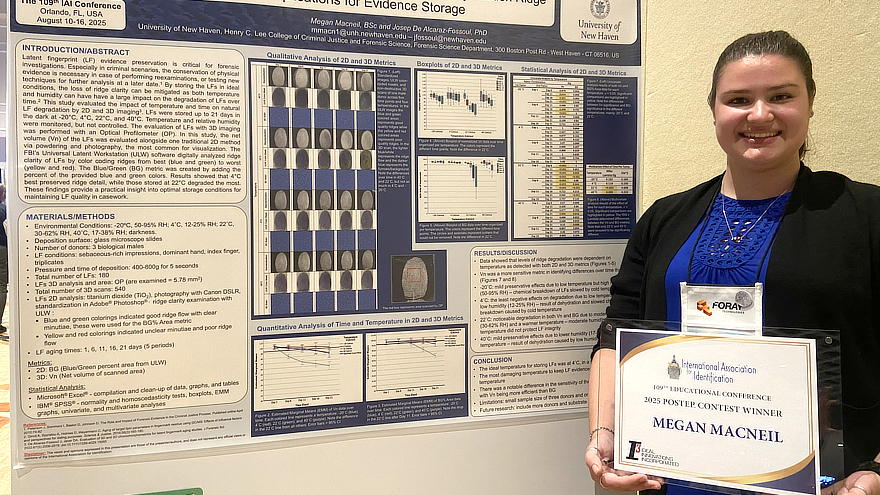
Honors Research Earns Forensic Sciences Alum National Recognition
Megan Macneil ’25, ’26 M.S. built on her honors thesis to earn top honors at the International Association for Identification Conference for her fingerprint degradation research.
Henry C. Lee College of Criminal Justice and Forensic Sciences Celebrates Exemplary Student Achievement
Honors students and award recipients were recognized for their academic excellence, leadership, and dedication to making a difference in public safety and law enforcement.
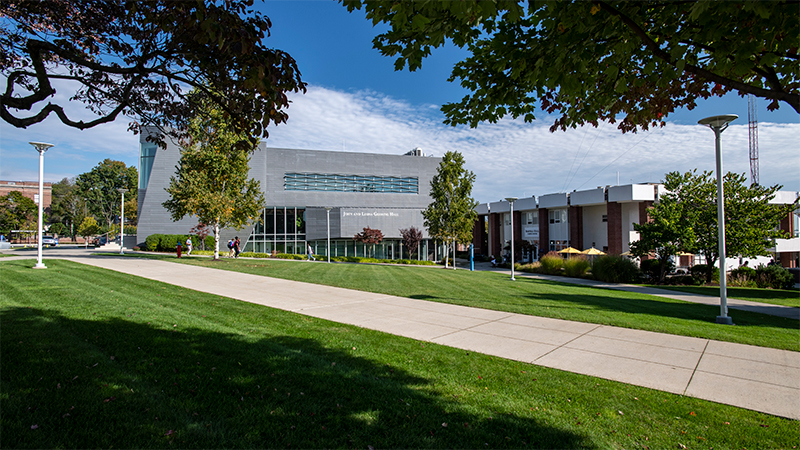
Next Steps
An advanced degree from the University of New Haven will help you take your career to the next level. Each program offers convenient scheduling, personalized attention, and state-of-the-art facilities.
View Application RequirementsThe University of New Haven Graduate School is an excellent value with reasonable tuition. Of course, you will still have bills to pay and the Financial Aid office can help.
Financial Aid WebsiteWANT MORE INFO?
Find out more about why the University of New Haven is a great fit for you. Our admissions team will contact you with information personalized to your interests.
VISIT
A campus visit is one of the most important parts of the college selection process. Come feel what it's like to Be a Charger!
APPLY
With more than 74,000 alumni and more than 100 years of history, #ChargerNation is the place to be. Begin Your Journey today.