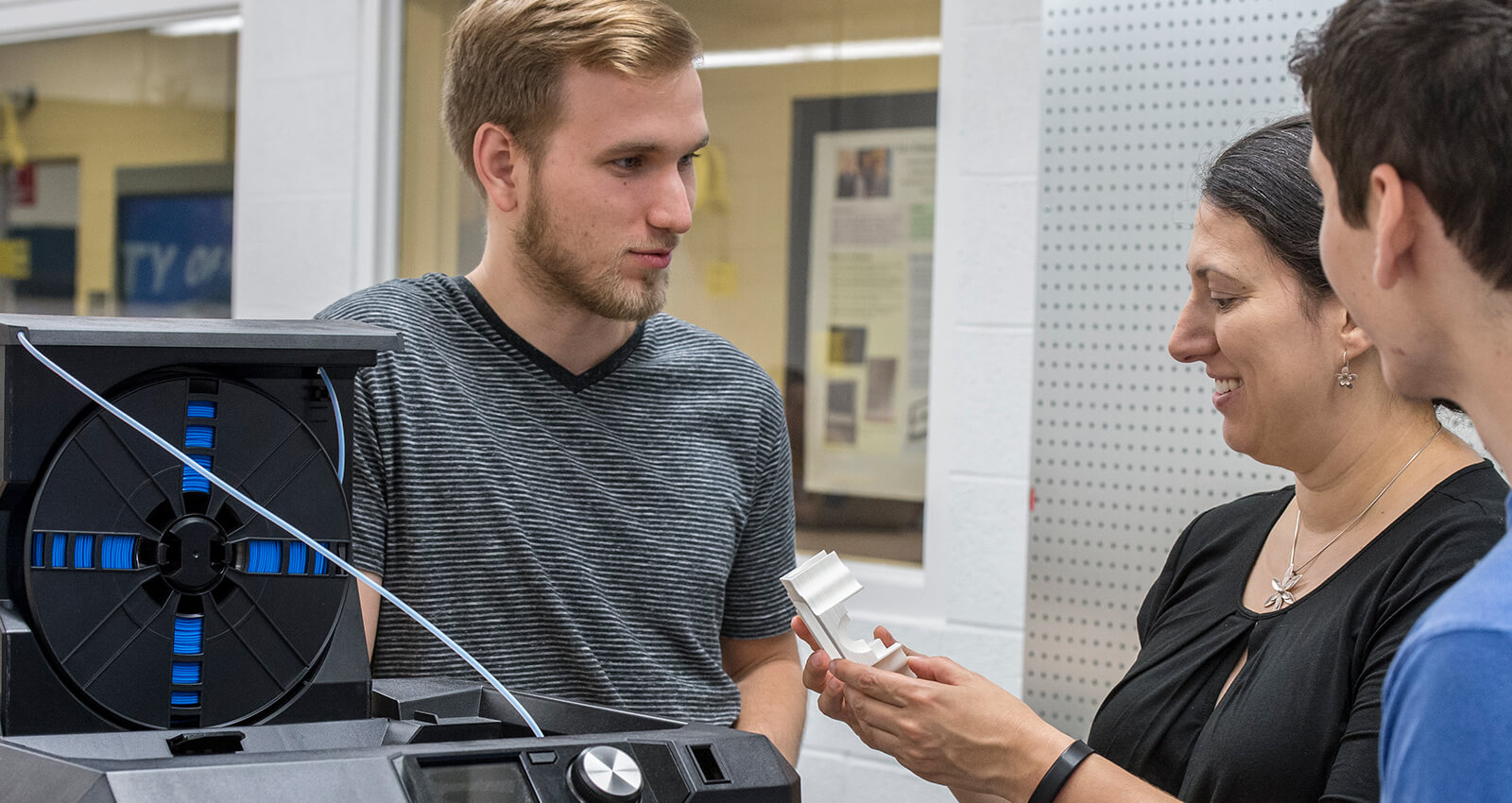
University of New Haven faculty members are widely recognized as experts in their fields. The depth and breadth of their work is second to none, creating transformational learning opportunities for all students.
Research in Engineering, Computer Science, and Chemistry
Whether your plans for the future involve taking your research expertise into industry or continuing your research activities in the academic sphere, the Tagliatela College of Engineering will prepare you to meet tomorrow’s challenges through participation in some of the most exciting, productive — and relevant — projects in the country.
Cellular and Molecular Biology Faculty Research Interests
The University of New Haven established the Lyme disease research group in 2005. To date, more than 70 graduate students have received training in Lyme disease-related research.
Forensic Science Faculty Research
Forensic Science Research at the University of New Haven reflects the breadth of its faculty, who are also renowned subject matter experts. Starting with technologies used at the incident scene and reconstructive applications, through the laboratory-based disciplines, and incorporating novel technologies such as nucleic acid imaging and forensic investigative genetic genealogy, faculty research impacts foundational understanding, operational practices, investigative clearance rates, and informs policy.
Technology Transfer and Intellectual Property
The University of New Haven technology transfer team is responsible for the identification, protection, marketing, and licensing of intellectual assets developed by University of New Haven faculty, staff and, in some cases, students.
Spotlights
"It’s exciting and a good example of interdisciplinary research that we do at the University of New Haven," she said. "We have different skills, and when you put them together, it makes for more complete research projects."
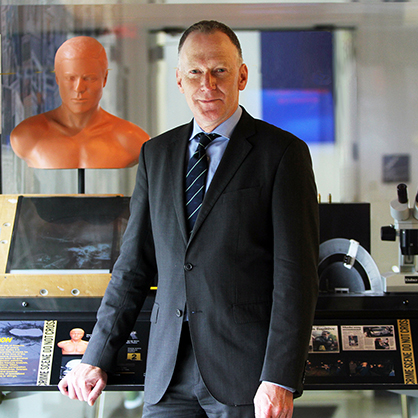
Morgan is a former medical director of the inpatient PTSD unit at the Connecticut VA and a consultant with the CIA and FBI. His studies into PTSD and the neurobiology of stress and detecting deception have taken him around the globe.

Can better drugs be discovered to transform leukemia treatment?